Find Markham Commercial Metal Roof Coatings for Warehouses
Maximize Longevity: The Complete Overview of Metal Roof Coatings for Commercial Buildings
Metal roof coatings are essential for enhancing the durability and lifespan of commercial roofs. These coatings protect against environmental stressors like UV rays and moisture, ensuring long-term efficiency. Knowing the range of options and their particular benefits is fundamentally important. Additionally, applying proper installation methods and upkeep routines can significantly impact long-term results. Still, many building owners fail to account for critical elements when picking coatings, causing preventable financial setbacks. What key aspects should be examined to fully optimize their financial commitment?
What Are Metal Roof Coatings and Why Do You Need Them?
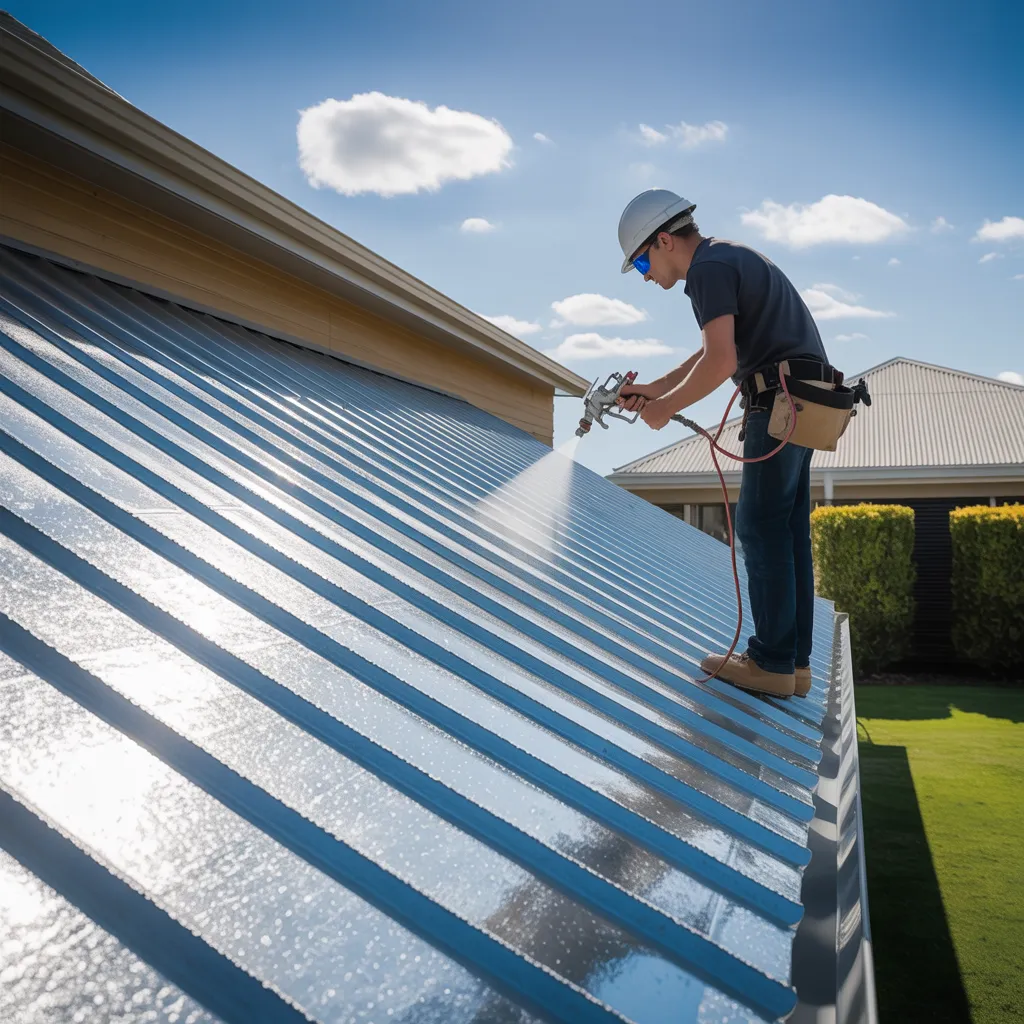
Metal roof coatings act as a protective barrier for commercial roofing applications, enhancing durability and longevity. These coatings, typically formulated from materials like polyurethane, silicone, or acrylic, create a seamless barrier that guards against environmental elements such as moisture, UV rays, and extreme temperatures. With the use of a metal roof coating, property owners can greatly reduce the risk of rust, corrosion, and leaks, which can damage the structural integrity of the roof.
Moreover, these coatings enhance energy efficiency by redirecting sunlight, consequently decreasing cooling costs. The installation process is quite simple, generally causing minimal disruption to ongoing business activities. Additionally, metal roof coatings can maximize the durability of existing roofing systems, making them a cost-effective solution for maintenance. To conclude, metal roof coatings not only defend but also boost the total performance of commercial roofing, making them an essential consideration for property upkeep and management approaches.
Primary Benefits of Metal Roof Coatings for Enhanced Longevity and Efficiency
Using metal roof coatings offers numerous advantages that greatly enhance both longevity and efficiency for commercial properties. One significant benefit is the protection against environmental elements, such as rain, wind, and UV radiation, which can result in premature damage. This protective layer helps extend the lifespan of the roofing system, reducing the need for regular maintenance or replacements.
Additionally, metal roof coatings boost energy efficiency by bouncing back sunlight, thus cutting cooling costs. This solar-reflecting property works to sustain a steady indoor temperature, see the details contributing to a more agreeable environment.
Furthermore, such coatings are capable of minimizing the risk of rust and corrosion, thereby preserving the structural strength of the rooftop surface. Through sealing minor leaks and crevices, they boost resistance to water, blocking harm caused by water penetration. Overall, the implementation of metal roofing coatings not only guarantees durability but also promotes energy savings, rendering them a smart investment for commercial building owners looking for durability and cost-effective performance.
Finding the Ideal Metal Roof Coating for Durability
Choosing the ideal metal roof coating is crucial for optimizing durability and effectiveness. Several factors shape this selection, including environmental conditions, roof slope, and specific building requirements. Premium coatings, such as silicone, acrylic, or polyurethane, provide distinct advantages. Silicone coatings deliver superior UV resistance and waterproofing, making them well-suited for regions with significant rainfall. Acrylic coatings are known for their reflectivity and energy efficiency, which can lower cooling costs. Polyurethane options provide exceptional durability and abrasion resistance, ideal for heavily trafficked areas.
Moreover, thorough surface preparation is critical for adherence and sustained effectiveness. One should select coatings with an established performance record in commercial roofing projects. Confirming compatibility with the existing roofing system will also extend the roof's service life. Ultimately, the optimal selection will meet specific environmental requirements and performance standards, delivering a robust, cost-efficient solution for commercial metal roofs.
Evaluating Metal Roof Coatings: Which Option Is Right for You?
When selecting a metal roof coating, it is essential to understand the distinct advantages of acrylic and silicone options. Acrylic coatings are known for their affordability and ease of application, while silicone coatings deliver unmatched durability and robust protection against moisture. Assessing these qualities can assist in identifying the most suitable option for particular roofing requirements.
Acrylic Coatings Benefits
Acrylic coatings offer a range of advantages that position them as a preferred option for metal roofing on commercial buildings. A key advantage is their excellent UV resistance, which helps maintain the integrity and appearance of the roof over time. These coatings are water-based, making them environmentally friendly and easy to apply. In addition, acrylic coatings are remarkably flexible, enabling them to expand and contract with temperature changes without splitting. Their affordability also contributes to their appeal, providing effective protection without breaking the budget. Moreover, acrylic coatings are offered in a wide range of colors, enabling building owners to enhance aesthetics while ensuring functional performance. Overall, these features position acrylic coatings as a reliable option for those seeking durable and efficient metal roof solutions.
Silicone Coatings Benefits
Multiple benefits make silicone coatings an ideal solution for commercial roofing applications. These coatings provide superior resistance to UV radiation and extreme weather conditions, extending the lifespan of the roof. Their flexibility allows for effective thermal expansion and contraction, decreasing the chances of surface cracking. Moreover, silicone coatings are extremely reflective, improving energy efficiency through lower cooling expenses. These coatings also offer excellent bonding characteristics, ensuring a secure bond with the metal surface. Moreover, silicone coatings are highly resistant to mold and mildew growth, thereby improving indoor air quality. Upkeep is made easier, as these coatings are easy to clean and recoat. In summary, silicone coatings represent a reliable and affordable choice for safeguarding commercial metal roofs from the elements.
How to Apply Roof Coatings
Roof coating application encompasses multiple important stages to achieve durability and effectiveness. To begin, thorough surface preparation is necessary to attain maximum adherence, followed by targeted application procedures that enhance overall coverage. To complete the process, recognizing the importance of the curing and drying phase is crucial for extending the life of the coating.
Surface Preparation Basics
Thorough surface preparation is critical for the proper application of coating systems. The process starts with a comprehensive inspection to uncover any damage, rust, or debris on the metal roofing surface. Cleaning the surface is vital; employing a pressure washer or suitable cleaning solution clears away grease, dirt, and existing coatings that may affect adhesion. When cleaning is complete, the roof should be left to dry thoroughly. Next, addressing any rust spots with a proper rust-inhibiting primer aids in preventing future deterioration. Furthermore, seam and flashing repairs should be carried out to ensure a even surface. Finally, ensuring the surface remains free of moisture and contaminants will improve the longevity and performance of the applied roof coatings.
Summary of Application Techniques
Correctly carrying out the application of roof coatings requires a methodical approach to ensure optimal performance and durability. Initially, verify that the surface is dry, clean, and contaminant-free, as this promotes adhesion. Following this, select the suitable coating type based on the metal roof's specific requirements. It is best practice to utilize a primer where appropriate, improving the bonding performance. When applying the coating, employ uniform strokes with a brush, sprayer, or roller, maintaining consistent application. Pay special attention to edges and seams, where water infiltration is most probable. Multiple thin coats are generally recommended over a single heavy layer, as they allow for better adhesion and drying. Lastly, ensure that all safety protocols are adhered to throughout the entire application.
The Drying and Curing Process
Curing and drying are vital steps in the implementation of roof coatings, affecting both durability and performance. During the curing process, chemical reactions take place that bind the coating to the substrate, improving adhesion and resilience against environmental factors. This stage typically requires ideal temperature and humidity levels, which need to be closely observed to confirm complete curing.
Drying, in contrast, involves the evaporation of solvents, allowing the coating to harden. Elements like air circulation, application thickness, and surrounding conditions can significantly affect drying time. Avoiding foot traffic and moisture exposure during both stages is vital to preventing defects. Following manufacturer guidelines assures the longevity and effectiveness of the roof coating.
Essential Tips for Extending the Life of Your Metal Roof Coating
Maintaining a metal roof coating is vital for maximizing its durability and function. Routine inspections are a key factor; homeowners should look for evidence of damage, such as cracking, peeling, or fading. Periodically cleaning the surface helps prevent the buildup of dirt and debris, which can hold moisture and result in corrosion. Using a gentle pressure wash or soft brush with mild detergent is suggested for proper cleaning that avoids coating damage.
Furthermore, maintaining adequate drainage is vital. Blocked gutters and downspouts may lead to water accumulation, increasing the risk of rust and deterioration. Tackling small repairs in a timely manner, including patching minor cracks or refreshing protective coatings, may stop further harm from occurring. Lastly, arranging expert evaluations periodically can help identify potential issues early, facilitating swift measures that enhance the longevity of the metal roof coating. Consistent upkeep ultimately strengthens durability and safeguards the investment.
Don't Make These Typical Mistakes When Picking Metal Roof Coatings
When picking out a metal roof coating, what errors should property owners be aware of? A frequent error is failing to evaluate the specific needs of their roofing system. Varying climates and materials call for customized approaches; a universal solution may result in early deterioration. Additionally, overlooking manufacturer warranties can result in unexpected costs if the coating does not meet the stated expectations.
Another frequent error is choosing price over quality. Cheaper coatings may save money initially but can cause higher expenditures in repairs and replacements down the line. Homeowners and building owners should also be cautious about attempting DIY applications without sufficient knowledge, which can compromise the coating's effectiveness.
Ultimately, neglecting to seek professional advice can result in poor product choices. Engaging experienced contractors guarantees the right coating is chosen and applied correctly, consequently optimizing the roof's durability and overall effectiveness.
Popular Questions We Receive
How Often Should I Reapply Metal Roof Coatings?
In most cases, metal roof coatings need to be reapplied every five to ten year interval, according to wear and environmental factors. Routine inspections can be useful in establishing the ideal timing for re-coating to preserve optimal performance and protection.
Can I Apply Metal Roof Coatings in Winter?
Installing metal roof coatings in winter is generally not recommended. Frigid conditions can impede adhesion and curing, which may result in poor performance. It is best to wait for more favorable temperatures to ensure proper application and effectiveness.
Are Eco-Friendly Metal Roof Coating Solutions Available?
Yes, there are eco-friendly metal roof coating options available. These coatings frequently use water-based formulas, recycled components, and low volatile organic compounds (VOCs), encouraging sustainability while delivering effective protection and durability for metal roof installations.
What Is the Typical Cost of Metal Roof Coatings?
The average cost of metal roof coatings generally falls from $1.50 to $3.50 for each square foot, based on the coating type selected and the particular needs of the project, including surface preparation and application techniques.
Do Metal Roof Coatings Have an Effect on My Roof Warranty?
Coatings applied to metal roofs may potentially void an existing roof warranty should the manufacturer prohibit such coating applications. It's crucial to review warranty terms and check with the manufacturer before proceeding with any coating applications to confirm that coverage stays valid.